
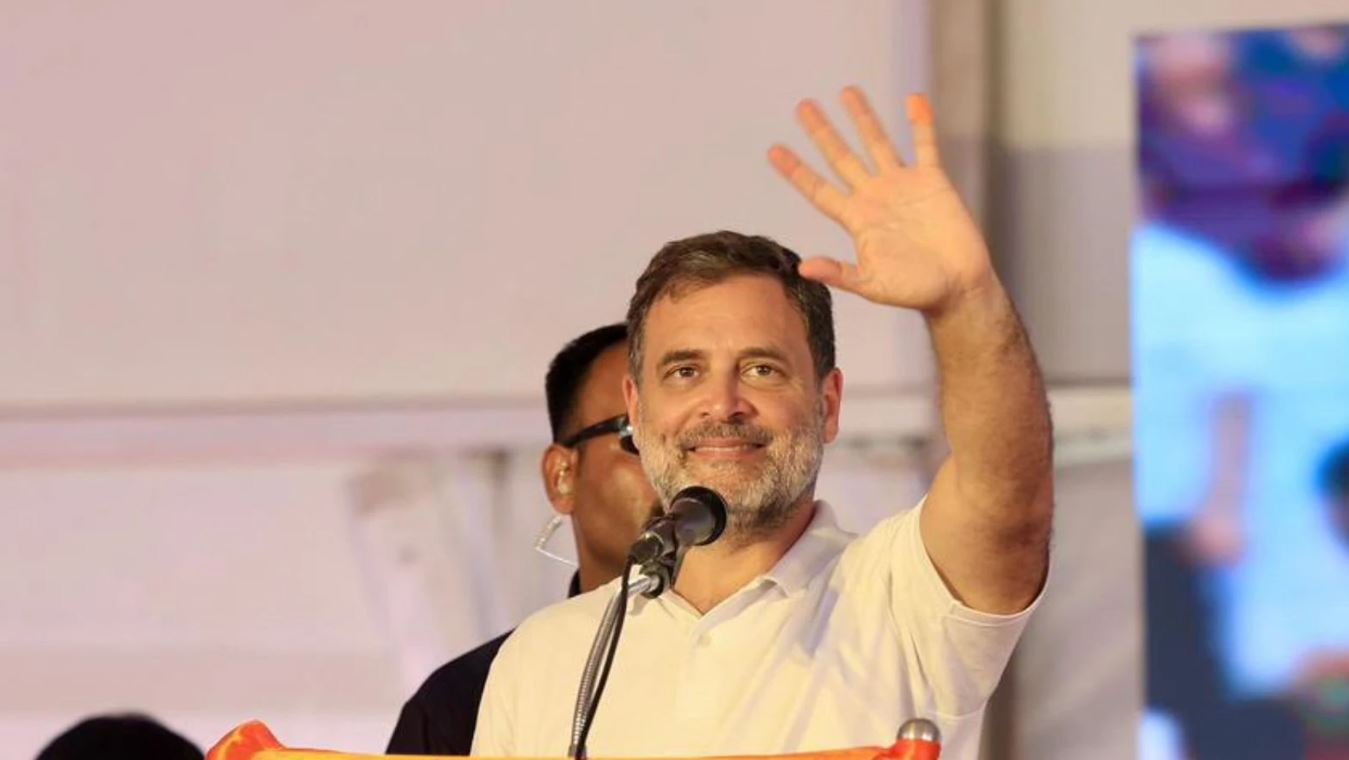
Leader of Opposition Rahul Gandhi has strongly criticized the Central Armed Police Forces (General Administration) Bill, 2026, calling it an “injustice” to paramilitary personnel and alleging that it undermines due process and institutional fairness.
In a video statement released on Thursday, Gandhi claimed that the government deliberately scheduled the Lok Sabha debate on the Bill on a day when he was on an official tour in Assam, effectively preventing him from participating in the discussion. He further alleged that the legislation was being pushed through by overriding the Supreme Court’s position on key administrative issues.
At the heart of Gandhi’s criticism is the concern over structural inequalities within the Central Armed Police Forces (CAPFs), particularly regarding promotions and leadership representation. Highlighting what he described as systemic neglect, he shared the story of CRPF jawan Ajay Malik, who lost his leg during an encounter with Naxals but continues to express a strong desire to serve the nation.
Despite his sacrifice and dedication, Gandhi noted that Malik has not received a promotion in 15 years. According to Gandhi, this case is not an isolated one but reflects a broader pattern affecting thousands of personnel across paramilitary forces.
“He was ready to give his life for the country, but his organisation has not recognized his commitment with even a promotion,” Gandhi said, emphasizing the emotional and professional toll such stagnation can have on personnel morale.
Gandhi also raised concerns about the leadership structure within CAPFs. He pointed out that, unlike many other services, there is limited scope for personnel to rise to top leadership positions from within the ranks. This, he argued, creates a disconnect between ground-level realities and decision-making at the highest levels.
The Central Armed Police Forces play a critical role in maintaining internal security, managing border operations, and responding to insurgencies and emergencies across India. Given their importance, Gandhi stressed that policies affecting these forces must prioritize fairness, transparency, and adherence to constitutional principles.
The Bill, however, has sparked debate over whether it adequately addresses long-standing grievances related to service conditions, promotions, and institutional representation. Critics argue that bypassing judicial guidance could set a concerning precedent, while supporters of the Bill maintain that it aims to streamline administrative processes.
Gandhi’s remarks add to the ongoing political discourse surrounding the Bill, drawing attention to the human impact of policy decisions on frontline personnel. As the legislation moves forward, questions remain about how effectively it will balance administrative efficiency with the rights and welfare of those serving in the country’s paramilitary forces.